
Productions
Advanced motion control is becoming a defining feature of modern stage design
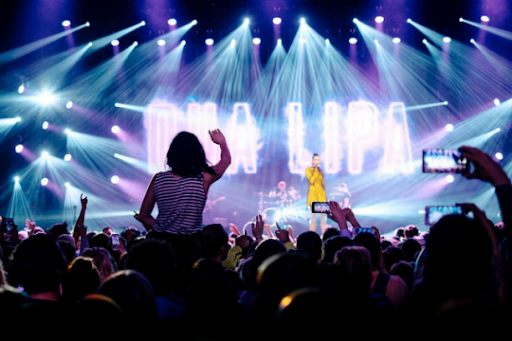
The expectations surrounding live entertainment continue to evolve. Whether it’s a concert tour, theatrical production, esports event, or corporate launch, audiences increasingly expect immersive experiences that go far beyond lighting and video. As a result, advanced motion systems are becoming an essential part of modern production design, allowing creative teams to transform static stages into dynamic environments.
One technology receiving growing attention is the CyberHoist, an intelligent motion control chain hoist designed for complex and highly accurate movement. By combining precision, reliability, and creative flexibility, systems like these are helping production teams rethink what’s possible on stage.
More Than Traditional Hoisting
Conventional chain hoists are primarily designed to lift and lower loads safely. Intelligent motion systems take that concept much further. Instead of simple vertical movement, they enable synchronized two-dimensional and three-dimensional motion with millimeter level positioning accuracy, allowing multiple moving elements to operate as a single coordinated system.
This capability opens the door to stage designs that continuously evolve throughout a performance. LED structures, scenic elements, lighting rigs, and custom stage pieces can move fluidly and repeatedly, becoming part of the storytelling rather than remaining static infrastructure.
As productions become more ambitious, these technologies are increasingly being adopted across touring concerts, permanent entertainment venues, broadcast studios, and large-scale live events.
Creative Possibilities Continue to Expand
One of the biggest advantages of intelligent motion control is the creative freedom it offers designers and directors. Instead of designing around technical limitations, production teams can integrate movement directly into the creative concept.
Examples include:
Dynamic flying LED structures
Transforming stage layouts during performances
Synchronized moving lighting grids
Automated scenic transitions
Large suspended installations with repeatable precision
The result is a more immersive audience experience, where movement becomes an integral part of the visual language rather than a supporting effect.
Built for Demanding Productions
While visual impact often receives the most attention, reliability remains equally important. Large-scale productions require equipment capable of operating under demanding schedules, repeated use, and varying touring conditions.
Modern intelligent hoist systems are designed with these realities in mind. Features such as plug-and-play deployment, automatic voltage compatibility for international touring, high-duty operating cycles, and accurate positioning help production crews reduce setup complexity while maintaining consistent performance. According to manufacturer specifications, the CyberHoist II is engineered for both fixed installations and touring environments, supporting multiple load capacities and synchronized motion control.
These characteristics have contributed to wider adoption across concerts, theatrical productions, television broadcasts, and international live events where dependable automation is critical.
Motion Technology Becomes Part of the Show
Audiences rarely think about the engineering behind spectacular stage moments. Instead, they remember the seamless transitions, floating stage elements, and dramatic reveals that create unforgettable experiences.
As motion technology becomes increasingly integrated into show design, it is no longer viewed simply as backstage equipment. It has become a creative instrument in its own right, enabling designers to build productions that feel larger, more dynamic, and more immersive than ever before.
Solutions developed by CyberMotion llustrate this shift, providing production teams with the tools to execute complex motion sequences that would have been difficult—or impossible—with conventional rigging systems. As audience expectations continue to rise, intelligent motion technology is likely to play an even greater role in defining the next generation of live entertainment.
Looking Ahead
As live entertainment continues to evolve, intelligent motion control is set to become an even more important element of stage production. Audiences increasingly expect performances that combine storytelling with stunning visual effects, and advanced automation helps production teams meet those expectations with greater precision and creativity. By integrating synchronized movement into stage design, production professionals can create immersive experiences that leave a lasting impression while maintaining the highest standards of safety and reliability.
Technologies such as the CyberHoist demonstrate how modern motion systems are transforming the entertainment industry by offering accurate positioning, flexible programming, and dependable performance for both touring and permanent installations. Beyond enhancing visual impact, these systems improve operational efficiency, reduce setup time, and support complex productions that demand repeatable, coordinated motion. As concerts, theatrical shows, broadcast events, and large-scale productions continue to push creative boundaries, intelligent motion solutions will remain at the forefront of innovation. Investing in advanced motion technology not only expands artistic possibilities but also prepares production teams to deliver memorable experiences that meet the growing expectations of audiences worldwide. The future of stage design will be shaped by technologies that seamlessly blend engineering excellence with creative vision, allowing every performance to become more dynamic, engaging, and unforgettable.