
Digital Classroom Innovation: Transforming Education for the Future
In today’s rapidly evolving educational landscape, digital classroom innovation is no longer a trend—it is a necessity. Schools, colleges, and universities across the world are embracing technology to create smarter, more engaging, and more inclusive learning environments. From cloud-based platforms to artificial intelligence-powered learning tools, digital classroom innovation is reshaping how educators teach and how students learn.
Institutions worldwide, including organizations such as UNESCO and World Economic Forum, emphasize the importance of digital transformation in education. As technology becomes more integrated into daily life, digital classroom innovation ensures that education keeps pace with the demands of the 21st century.
What Is Digital Classroom Innovation?
Digital classroom innovation refers to the integration of modern technologies, digital tools, and smart teaching strategies to enhance learning experiences. It goes beyond simply using computers in classrooms. Instead, it involves creating interactive, collaborative, and data-driven learning environments powered by digital platforms.
Some of the core components include:
- Learning Management Systems (LMS)
- Artificial Intelligence (AI)
- Cloud computing
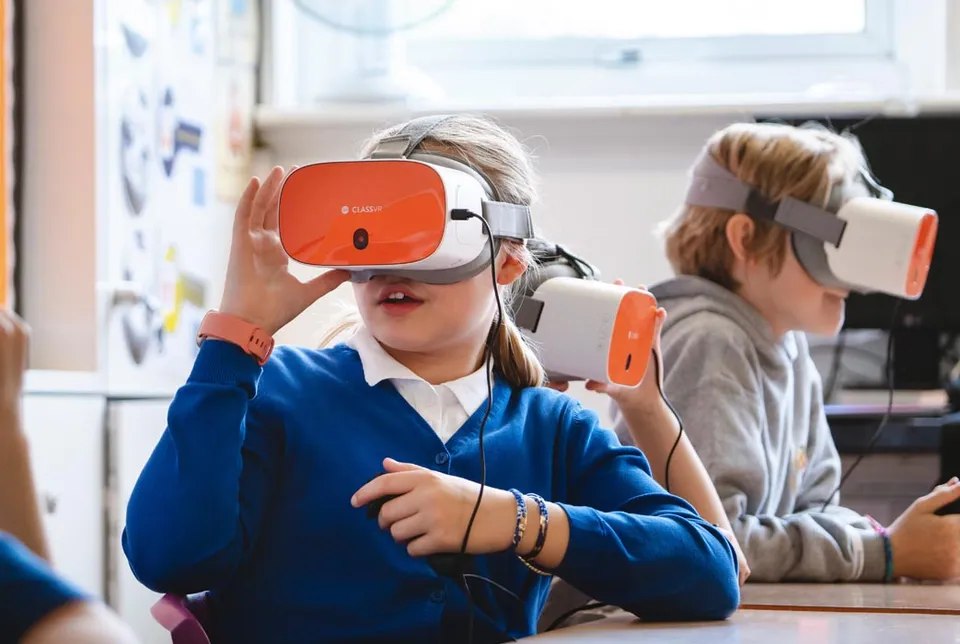
- Virtual Reality (VR) and Augmented Reality (AR)
- Smart boards and IoT-enabled devices
- Online collaboration tools
Companies like Google, Microsoft, and Apple have developed powerful education ecosystems that support digital classroom innovation worldwide.
Why Digital Classroom Innovation Matters
1. Personalized Learning
With AI-powered platforms such as Google Classroom and Microsoft Teams, teachers can tailor lessons according to individual student needs. Adaptive learning technologies analyze performance data and adjust content automatically.
Personalized learning improves:
- Student engagement
- Retention rates
- Academic performance
- Confidence and motivation
2. Enhanced Student Engagement
Interactive tools such as Kahoot! and Zoom transform traditional lectures into engaging, participatory sessions. Gamification and multimedia presentations make lessons more dynamic and enjoyable.
3. Global Accessibility
Digital classroom innovation enables remote learning, allowing students from different countries to access quality education. Platforms like Coursera and edX offer courses from top institutions, breaking geographical barriers.
Key Technologies Driving Digital Classroom Innovation
Artificial Intelligence (AI)
AI-powered systems help automate grading, monitor student progress, and provide real-time feedback. For example, Grammarly supports students in improving their writing skills through instant suggestions.
AI chatbots also assist students with queries outside classroom hours, creating a 24/7 learning support system.
Virtual Reality (VR) and Augmented Reality (AR)
Immersive technologies allow students to explore historical landmarks, conduct virtual science experiments, and interact with 3D models. Companies like Meta Platforms are investing heavily in immersive educational experiences.
VR-based learning enhances understanding in subjects like:
- Science
- Medicine
- Engineering
- History
Cloud Computing
Cloud platforms such as Google Drive and Dropbox allow seamless sharing of assignments, resources, and collaborative projects.
Cloud-based systems:
- Reduce paperwork
- Improve collaboration
- Enable real-time updates
- Ensure secure data storage
Learning Analytics
Educational institutions use analytics dashboards to track student performance trends. This data-driven approach enables early intervention for struggling students and supports continuous improvement.
Benefits of Digital Classroom Innovation
1. Improved Collaboration
Digital tools promote teamwork through shared documents, virtual breakout rooms, and discussion boards. Students can collaborate in real-time, even from different locations.
2. Cost Efficiency
While initial investment may be high, digital classroom innovation reduces long-term costs related to textbooks, printing, and physical infrastructure.
3. Skill Development for the Future
Modern workplaces demand digital literacy. Exposure to tools from companies like IBM and Amazon Web Services prepares students for careers in technology-driven industries.
4. Inclusive Education
Assistive technologies help students with disabilities participate fully in classroom activities. Speech-to-text software and screen readers ensure accessibility for all learners.
Challenges in Implementing Digital Classroom Innovation
Despite its advantages, digital classroom innovation faces several challenges:
- Lack of digital infrastructure in rural areas
- Teacher training gaps
- Cybersecurity risks
- Data privacy concerns
- Budget constraints
Organizations like OECD highlight the need for balanced policies that ensure equitable access to digital education tools.
Strategies for Successful Digital Classroom Innovation
Invest in Teacher Training
Educators must be trained to effectively use digital tools. Continuous professional development ensures that technology enhances learning rather than complicating it.
Adopt Blended Learning Models
Blended learning combines traditional face-to-face instruction with online learning. This balanced approach maximizes flexibility and engagement.
Prioritize Cybersecurity
Institutions must protect student data using secure platforms and encryption technologies.
Encourage Student-Centered Learning
Digital classroom innovation works best when students are active participants rather than passive listeners.
Future Trends in Digital Classroom Innovation
The future of digital classroom innovation is promising. Emerging trends include:
- AI-driven adaptive textbooks
- Blockchain-based credential verification
- Metaverse classrooms
- Advanced robotics in STEM education
- 5G-enabled immersive learning
As highlighted in global discussions by United Nations, digital transformation in education plays a crucial role in achieving sustainable development goals.
Conclusion
Digital classroom innovation is revolutionizing the education sector by making learning more accessible, personalized, and interactive. By integrating AI, cloud computing, immersive technologies, and collaborative platforms, educational institutions can prepare students for a technology-driven future.
The journey toward digital transformation requires investment, training, and strategic planning. However, the long-term benefits—improved engagement, inclusivity, and global connectivity—make digital classroom innovation an essential priority for modern education systems.
Educational institutions, policymakers, and technology providers must work together to create a sustainable and equitable digital learning ecosystem.
FAQs About Digital Classroom Innovation
1. What is digital classroom innovation?
Digital classroom innovation refers to the integration of advanced digital tools and technologies into teaching methods to enhance student learning experiences.
2. How does digital classroom innovation improve student engagement?
It uses interactive tools, gamification, multimedia content, and collaborative platforms to make learning more dynamic and personalized.
3. What technologies are commonly used in digital classrooms?
Common technologies include AI-powered learning systems, VR/AR tools, cloud platforms, and Learning Management Systems like Google Classroom.
4. Is digital classroom innovation suitable for all age groups?
Yes, digital classroom innovation can be adapted for primary, secondary, and higher education levels with age-appropriate tools.
5. What are the main challenges of digital classroom innovation?
Challenges include infrastructure limitations, cybersecurity risks, digital literacy gaps, and funding constraints.In today’s rapidly evolving educational landscape, digital classroom innovation is no longer a trend—it is a necessity. Schools, colleges, and universities across the world are embracing technology to create smarter, more engaging, and more inclusive learning environments. From cloud-based platforms to artificial intelligence-powered learning tools, digital classroom innovation is reshaping how educators teach and how students learn.
Institutions worldwide, including organizations such as UNESCO and World Economic Forum, emphasize the importance of digital transformation in education. As technology becomes more integrated into daily life, digital classroom innovation ensures that education keeps pace with the demands of the 21st century.
What Is Digital Classroom Innovation?
Digital classroom innovation refers to the integration of modern technologies, digital tools, and smart teaching strategies to enhance learning experiences. It goes beyond simply using computers in classrooms. Instead, it involves creating interactive, collaborative, and data-driven learning environments powered by digital platforms.
Some of the core components include:
- Learning Management Systems (LMS)
- Artificial Intelligence (AI)
- Cloud computing
- Virtual Reality (VR) and Augmented Reality (AR)
- Smart boards and IoT-enabled devices
- Online collaboration tools
Companies like Google, Microsoft, and Apple have developed powerful education ecosystems that support digital classroom innovation worldwide.
Why Digital Classroom Innovation Matters
1. Personalized Learning
With AI-powered platforms such as Google Classroom and Microsoft Teams, teachers can tailor lessons according to individual student needs. Adaptive learning technologies analyze performance data and adjust content automatically.
Personalized learning improves:
- Student engagement
- Retention rates
- Academic performance
- Confidence and motivation
2. Enhanced Student Engagement
Interactive tools such as Kahoot! and Zoom transform traditional lectures into engaging, participatory sessions. Gamification and multimedia presentations make lessons more dynamic and enjoyable.
3. Global Accessibility
Digital classroom innovation enables remote learning, allowing students from different countries to access quality education. Platforms like Coursera and edX offer courses from top institutions, breaking geographical barriers.
Key Technologies Driving Digital Classroom Innovation
Artificial Intelligence (AI)
AI-powered systems help automate grading, monitor student progress, and provide real-time feedback. For example, Grammarly supports students in improving their writing skills through instant suggestions.
AI chatbots also assist students with queries outside classroom hours, creating a 24/7 learning support system.
Virtual Reality (VR) and Augmented Reality (AR)
Immersive technologies allow students to explore historical landmarks, conduct virtual science experiments, and interact with 3D models. Companies like Meta Platforms are investing heavily in immersive educational experiences.
VR-based learning enhances understanding in subjects like:
- Science
- Medicine
- Engineering
- History
Cloud Computing
Cloud platforms such as Google Drive and Dropbox allow seamless sharing of assignments, resources, and collaborative projects.
Cloud-based systems:
- Reduce paperwork
- Improve collaboration
- Enable real-time updates
- Ensure secure data storage
Learning Analytics
Educational institutions use analytics dashboards to track student performance trends. This data-driven approach enables early intervention for struggling students and supports continuous improvement.
Benefits of Digital Classroom Innovation
1. Improved Collaboration
Digital tools promote teamwork through shared documents, virtual breakout rooms, and discussion boards. Students can collaborate in real-time, even from different locations.
2. Cost Efficiency
While initial investment may be high, digital classroom innovation reduces long-term costs related to textbooks, printing, and physical infrastructure.
3. Skill Development for the Future
Modern workplaces demand digital literacy. Exposure to tools from companies like IBM and Amazon Web Services prepares students for careers in technology-driven industries.
4. Inclusive Education
Assistive technologies help students with disabilities participate fully in classroom activities. Speech-to-text software and screen readers ensure accessibility for all learners.
Challenges in Implementing Digital Classroom Innovation
Despite its advantages, digital classroom innovation faces several challenges:
- Lack of digital infrastructure in rural areas
- Teacher training gaps
- Cybersecurity risks
- Data privacy concerns
- Budget constraints
Organizations like OECD highlight the need for balanced policies that ensure equitable access to digital education tools.
Strategies for Successful Digital Classroom Innovation
Invest in Teacher Training
Educators must be trained to effectively use digital tools. Continuous professional development ensures that technology enhances learning rather than complicating it.
Adopt Blended Learning Models
Blended learning combines traditional face-to-face instruction with online learning. This balanced approach maximizes flexibility and engagement.
Prioritize Cybersecurity
Institutions must protect student data using secure platforms and encryption technologies.
Encourage Student-Centered Learning
Digital classroom innovation works best when students are active participants rather than passive listeners.
Future Trends in Digital Classroom Innovation
The future of digital classroom innovation is promising. Emerging trends include:
- AI-driven adaptive textbooks
- Blockchain-based credential verification
- Metaverse classrooms
- Advanced robotics in STEM education
- 5G-enabled immersive learning
As highlighted in global discussions by United Nations, digital transformation in education plays a crucial role in achieving sustainable development goals.
Conclusion
Digital classroom innovation is revolutionizing the education sector by making learning more accessible, personalized, and interactive. By integrating AI, cloud computing, immersive technologies, and collaborative platforms, educational institutions can prepare students for a technology-driven future.
The journey toward digital transformation requires investment, training, and strategic planning. However, the long-term benefits—improved engagement, inclusivity, and global connectivity—make digital classroom innovation an essential priority for modern education systems.
Educational institutions, policymakers, and technology providers must work together to create a sustainable and equitable digital learning ecosystem.
FAQs About Digital Classroom Innovation
1. What is digital classroom innovation?
Digital classroom innovation refers to the integration of advanced digital tools and technologies into teaching methods to enhance student learning experiences.
2. How does digital classroom innovation improve student engagement?
It uses interactive tools, gamification, multimedia content, and collaborative platforms to make learning more dynamic and personalized.
3. What technologies are commonly used in digital classrooms?
Common technologies include AI-powered learning systems, VR/AR tools, cloud platforms, and Learning Management Systems like Google Classroom.
4. Is digital classroom innovation suitable for all age groups?
Yes, digital classroom innovation can be adapted for primary, secondary, and higher education levels with age-appropriate tools.
5. What are the main challenges of digital classroom innovation?
Challenges include infrastructure limitations, cybersecurity risks, digital literacy gaps, and funding constraints.