
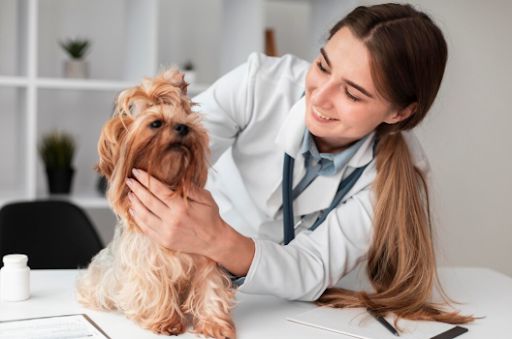
Your pets can be very close to your heart, and for many people, they are their second child. Love for them has no boundaries, and you try your best to take care of them. These pets, whether cats or dogs, are sensitive, but they never show signs of any illness. They try to hide it from their owner until their health becomes worse.
This sometimes leads to different kinds of problems that require surgery. As humans, we always do our research to seek consultation and treatment from a professional; the same goes for our pets. They need better treatment so the recovery takes faster and you don’t have to risk their life more with wrong treatment. When seeking surgery, you should consider a few things, which we will discuss in detail below.
Ensure Pre-Surgery Diagnostics
When you visit a veterinary clinic for pet surgery, they always perform an examination before the diagnosis. If the pet is injured and has a bone fracture, you will need immediate surgery. For that, proper examination and X-ray imaging are very important.
If the clinic is unprofessional and tells you to start treatment without a pre-surgery diagnosis, it may harm the pet rather than provide better treatment. You must ensure that proper blood tests are performed to assess protein levels, kidney function, and blood cell count.
This way, they will be able to prepare the surgical requirements more effectively. A professional vet clinic also provides the prescription before the surgery, which may include a full list of vitamins and other supplements.
Professional Vital Monitoring
Vital monitoring is very important, and for pets there are different kinds of heart rate, blood pressure, and oxygen level required. For this, only a doctor should regularly check their vitality. When you take your pet for surgery, always ask who will be checking and monitoring their vital signs. This reading helps control their blood pressure and keeps them hydrated.
You must also ensure that the IV drip for the pet is provided in a timely manner so their body can recover more easily and the weakness goes away.
Ask About Pain Management
The pet also goes through pain when they regain consciousness after their surgery. In any vet clinic, you must always ask about their pain management way before, during, and after the operation. Take the full consultation about their exercise limitations, wound care handling, and medication.
A veterinary professional also prescribes medications that ease pets’ pain after surgery. They also tell you the awareness one must take to avoid pain, such as severe swelling, trouble breathing, heavy bleeding, or frequent vomiting.
Know the Hidden Costs
When surgery starts for any purpose for your p[pet, there are always hidden charges that come out one by one. In this way, you lose your savings and sometimes become unable to handle it properly. When getting surgery, you should be clear about all the hidden charges and consider whether it’s within your range. This also helps you mentally prepare for the cost of your surgery.