
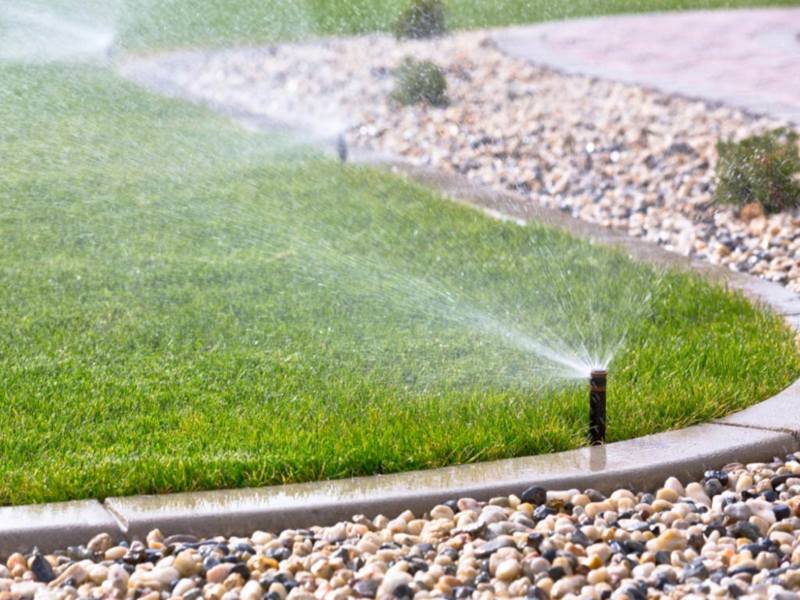
A customized irrigation system design is one of the smartest investments for maintaining healthy landscapes while using water responsibly. Every property has unique characteristics, including soil composition, plant varieties, climate conditions, elevation changes, and sun exposure. Because of these differences, a standard irrigation system often fails to deliver consistent results. A customized approach ensures that every area of the landscape receives the appropriate amount of water based on its specific needs, improving plant health while minimizing unnecessary water consumption.
As water conservation becomes increasingly important, property owners are looking for solutions that balance attractive outdoor spaces with environmental responsibility. A professionally planned irrigation system supports this goal by delivering water efficiently, reducing waste, and promoting sustainable landscape management. Redwood Outdoor Designs specializes in creating irrigation solutions tailored to each property’s unique requirements, helping improve efficiency and support healthier landscapes. Whether the property is residential or commercial, a customized irrigation plan provides long-term value through improved performance, lower maintenance requirements, and healthier vegetation.
Why Customized Irrigation System Design Is Essential
A successful landscape depends on much more than regular watering. The amount, timing, and placement of water all influence plant growth, soil health, and overall landscape appearance. Different plants require different moisture levels, and various soil types absorb and retain water differently. Applying the same watering schedule across an entire property often leads to dry spots in some areas and excessive moisture in others.
A customized irrigation system design addresses these challenges by evaluating the landscape as a whole. The design process considers the property’s layout, existing vegetation, drainage patterns, water pressure, and climate conditions before selecting the most suitable irrigation methods.
Some of the primary advantages include:
- Improved water efficiency
- Healthier lawns, trees, shrubs, and garden beds
- Reduced water runoff and soil erosion
- Lower water bills through efficient irrigation
- Better long-term landscape performance
- Reduced risk of overwatering and underwatering
- Improved environmental sustainability
These benefits make customized irrigation systems an important part of responsible landscape planning.
Understanding the Landscape Before Installation
Every successful irrigation project begins with a detailed site evaluation. Understanding the unique characteristics of the property allows irrigation professionals to develop a system that matches both the landscape’s requirements and the owner’s goals.
Several important factors influence the design process:
Soil Conditions
Different soil types absorb and retain water at different rates. Sandy soil drains quickly, while clay soil holds moisture longer. Proper irrigation scheduling depends heavily on understanding these characteristics.
Plant Selection
Lawns, ornamental plants, flower beds, trees, and shrubs all have varying water requirements. Grouping plants with similar watering needs into separate irrigation zones improves efficiency.
Sun and Shade Exposure
Areas exposed to full sunlight generally require more frequent watering than shaded sections of the landscape. Proper zoning accounts for these environmental differences.
Property Slope
Sloped landscapes often experience runoff if water is applied too quickly. Irrigation systems designed specifically for elevation changes help water soak into the soil more effectively.
Local Climate
Seasonal rainfall, humidity, wind, and temperature all influence irrigation scheduling. A customized system adapts to changing weather conditions to prevent unnecessary watering.
Components of an Effective Customized Irrigation System Design
An efficient irrigation system combines several technologies and design principles to maximize performance.
1. Irrigation Zones
Creating multiple irrigation zones allows different areas of the landscape to receive water based on their unique requirements. Turfgrass, flower beds, trees, and shrubs rarely need identical watering schedules.
2. Sprinkler Placement
Proper sprinkler spacing ensures even water coverage while preventing overspray onto sidewalks, driveways, or buildings. Careful placement reduces wasted water and improves distribution.
3. Drip Irrigation
Many gardens and planting beds benefit from drip irrigation systems that deliver water directly to plant roots. This minimizes evaporation while encouraging deeper root development.
4. Smart Irrigation Controllers
Modern controllers automatically adjust watering schedules based on weather conditions, seasonal changes, and rainfall data. These systems improve efficiency while reducing manual adjustments.
5. Rain Sensors
Rain sensors temporarily suspend irrigation during rainfall events, preventing unnecessary watering and helping conserve water resources.
6. Pressure Regulation
Maintaining proper water pressure helps sprinklers operate efficiently while reducing misting and uneven coverage.
Water Conservation Through Better Design
Water conservation is one of the biggest advantages of investing in a customized irrigation system design. Traditional irrigation systems often apply excessive amounts of water because they fail to account for differences across the landscape.
Customized systems improve conservation by:
- Delivering water only where needed
- Preventing overspray
- Reducing evaporation losses
- Limiting runoff
- Using efficient irrigation technologies
- Adjusting schedules according to weather conditions
These improvements help protect local water supplies while maintaining attractive outdoor environments.
Long-Term Cost Savings
Although customized irrigation systems require thoughtful planning and professional installation, they often generate significant savings over time.
Reduced water usage naturally lowers utility bills, while healthier plants decrease replacement costs and reduce ongoing landscape maintenance. Efficient irrigation also minimizes problems caused by standing water, such as fungal diseases, root damage, and soil erosion.
Additional financial benefits include:
- Lower maintenance expenses
- Fewer irrigation repairs
- Reduced landscape replacement costs
- Extended equipment lifespan
- Improved property value
The long-term return on investment often outweighs the initial installation cost.
Common Irrigation Design Mistakes to Avoid
Many irrigation problems develop because the original system was not properly designed.
Some common issues include:
- Poor sprinkler spacing
- Incorrect nozzle selection
- Mixing plants with different watering needs
- Ignoring soil differences
- Overwatering shaded areas
- Underwatering sunny locations
- Failing to account for changing seasons
Avoiding these mistakes improves both irrigation performance and landscape health.
The Importance of Regular System Maintenance
Even the best irrigation system requires periodic maintenance to maintain peak performance.
Routine inspections help identify:
- Broken sprinkler heads
- Leaking valves
- Clogged drip emitters
- Damaged pipes
- Controller programming issues
- Pressure inconsistencies
Seasonal adjustments also help accommodate changing weather conditions throughout the year.
Regular maintenance supports consistent irrigation performance while extending the life of the entire system.
Sustainability and Modern Irrigation Technology
Today’s irrigation technologies continue to improve water efficiency through advanced automation and monitoring capabilities.
Modern features may include:
- Weather-based scheduling
- Soil moisture sensors
- Mobile app control
- Flow monitoring
- Leak detection
- High-efficiency sprinkler nozzles
These innovations help property owners make informed irrigation decisions while reducing unnecessary water use.
As sustainability becomes a greater priority for communities and property owners alike, customized irrigation systems play an increasingly important role in responsible landscape management.
Choosing the Right Irrigation Partner
Selecting an experienced irrigation professional is essential for achieving long-lasting results. A knowledgeable designer evaluates every aspect of the landscape before recommending equipment, layouts, and watering schedules.
Professional expertise helps ensure:
- Accurate site analysis
- Efficient system layout
- Proper zoning
- Quality installation
- Reliable system performance
- Long-term water savings
Working with experienced professionals also provides confidence that the irrigation system complies with local regulations and follows industry best practices.
Conclusion
A customized irrigation system design provides far more than convenient watering. It creates a balanced approach that supports healthier landscapes, conserves water, reduces operating costs, and improves long-term property value. By carefully considering soil conditions, plant requirements, climate, drainage, and irrigation technology, customized systems deliver efficient and consistent performance throughout every season.
For residential and commercial landscapes alike, thoughtful irrigation planning is an investment in both sustainability and landscape success. Redwood Outdoor Designs specializes in creating customized outdoor solutions that prioritize efficiency, functionality, and lasting landscape performance, helping property owners maintain beautiful outdoor spaces while using water responsibly.