
From surgical instruments to marine fittings, stainless steel shows up wherever strength, cleanliness and long service life matter. When that material is paired with computer numerical control (CNC) machining, manufacturers get components that are accurate, repeatable and built to last. Here is why so many engineers and buyers choose stainless steel for their precision parts, and what to look for in a machining partner.
The Advantages of Stainless Steel
Stainless steel contains at least 10.5 percent chromium, which forms a thin oxide layer on the surface. This passive film protects the metal from rust and corrosion, even in humid, salty or chemically aggressive environments. Beyond corrosion resistance, stainless steel offers high tensile strength, good heat tolerance and a clean, hygienic finish that is easy to sterilize.
Common grades each serve a purpose. Grade 304 is the versatile all rounder used in food equipment and enclosures. Grade 316 adds molybdenum for better resistance to chlorides, making it ideal for marine and medical use. Grades such as 303 are formulated for easier machining, while 17-4 PH delivers exceptional hardness after heat treatment.
Why CNC Machining Is the Right Process
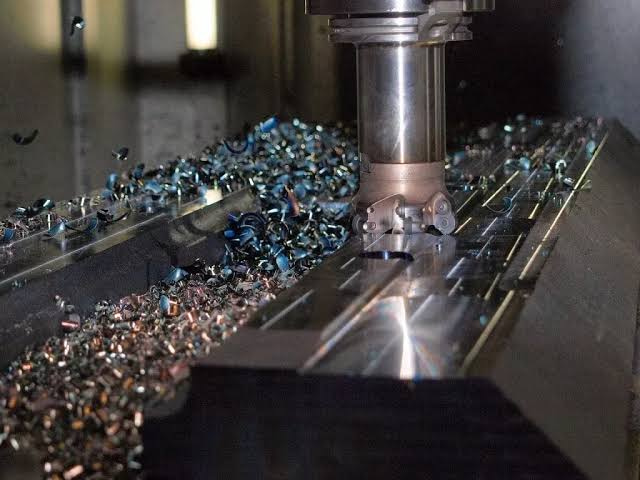
Stainless steel is tough, and that toughness makes it challenging to cut. It work hardens quickly, generates heat and wears tools faster than softer metals. CNC machining overcomes these challenges through programmed tool paths, controlled spindle speeds and consistent coolant delivery. The result is tight tolerances, often within a few microns, and smooth surface finishes across every part in a production run.
Multi axis milling, CNC turning and Swiss style machining make it possible to produce complex geometries such as threads, undercuts, thin walls and internal channels in a single setup. This reduces handling errors and shortens lead times. For buyers, cnc machined stainless steel parts provide a reliable balance of precision, durability and cost efficiency, whether the order is ten prototypes or ten thousand production units.
Industries That Depend on Stainless Steel Components
The medical sector relies on stainless steel for surgical tools, implant components and device housings. The food and beverage industry uses it for valves, fittings and processing equipment that must meet strict hygiene standards. Aerospace and automotive engineers specify it for fasteners, brackets and shafts that face vibration and temperature swings. Oil and gas, robotics and consumer electronics are also major users.
Choosing the Right Manufacturing Partner
Not every machine shop handles stainless steel equally well. When sourcing custom stainless steel parts, look for a supplier with proven experience in the specific grade you need, modern multi axis equipment and a robust quality control process that includes CMM inspection and material certification. Ask about secondary services such as passivation, electropolishing, bead blasting and laser marking, since these finishing steps can improve both performance and appearance.
Clear communication matters too. A good partner will review your drawings, suggest design for manufacturability improvements and help you choose the most economical grade without compromising function.
Final Thoughts
Stainless steel and CNC machining are a natural match. Together they deliver components that resist corrosion, hold tight tolerances and perform reliably for years. By understanding material grades and partnering with an experienced machining supplier, you can bring durable, high quality parts to market faster and with greater confidence.