
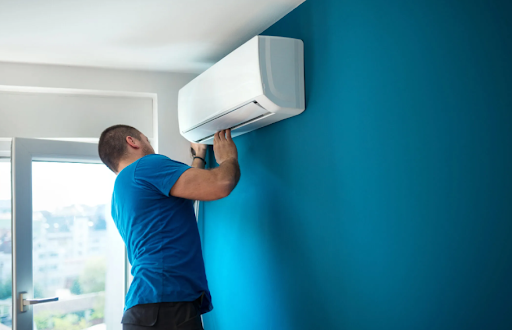
For a home, cooling and heating system get fitted inside the house through the process of domestic air conditioning installation, with indoor and outdoor units connected properly, along with electrical and refrigerant lines that are needed for safe and efficient running of system. Several stages are involved in this, starting from selecting right unit size for room, up to mounting equipment and testing performance once connection is done. For homeowners who are thinking about new system, it is helpful to understand how this process works so that expectation about cost, time and comfort level can be set in realistic way.
How Does the Installation Process Work?
Generally, assessment of home is the first step in this process. Room size gets measured, insulation level is checked, and best location for indoor and outdoor unit is identified during this stage. Airflow, sunlight exposure and also ceiling height, all these things play role in deciding which type of system will suit the space in better way.
After assessment is finished, indoor unit gets mounted either on wall or ceiling, and outdoor unit is placed at location where ventilation is good. Between both units, copper piping is run for carrying refrigerant, and along with this, electrical wiring and drainage line also get set up for managing condensation. Once physical setup is done, pressure, airflow and temperature control of system is tested before it is handed over for regular use.
What Types of Systems Are Commonly Installed in Homes?
In residential property, few common types are usually installed:
- Split system, which is used for cooling or heating single room, and this is among most popular choice for household
- Multi-split system, where multiple indoor units get connected with one outdoor unit, and this is suitable for home that need climate control in several room
- Ducted system, where air gets distributed through network of duct that is hidden in ceiling or floor, and this give coverage for whole home
For each type, installation requirement is different, and mostly the right choice depend on property size and how many room need climate control.
Why Does Proper Installation Matter?
When system is installed in correct way, it run more efficient and also last longer. If refrigerant level is not correct, or duct sealing is poor, or unit is mounted in wrong way, then this can lead to cooling performance getting reduced, energy bill going higher, and breakdown happening more often. Also, placement of outdoor unit matter a lot, because if airflow around it is not enough, compressor can start overheating.
Electrical wiring also need to meet safety standard, since air conditioning unit draw good amount of power. During installation, if wiring is faulty, then risk of electrical fault increase with time.
How Long Does It Take to Install a System?
Usually, for single split system, installation get completed within few hours only. But for multi-split or ducted system, more time is needed, sometimes full day or even more, depending on how complex the ductwork is and how many indoor unit are involved. In older home, additional time may be required if existing wiring or wall structure need some modification for fitting new equipment.
What Factors Affect Installation Requirements?
Few elements influence how installation is done:
- Room size and ceiling height, these decide what unit capacity is needed
- Wall material, since some surface need extra reinforcement for mounting
- Distance between indoor and outdoor unit, which affect how long piping need to be
- Electrical capacity that already exist in home
Mostly, these factors get reviewed at time of initial home assessment.
Does Climate Affect the Type of System Needed?
In region where climate is warmer, home often benefit more from system that has strong cooling capacity and good airflow distribution, while in cooler climate, home may need unit that has reliable heating function as priority. Humidity level of region can also influence which system perform best, because some unit are made in way that they manage moisture more effectively than other.
What Happens After Installation Is Complete?
Once installation is done, system usually go through testing phase where temperature accuracy, airflow strength and thermostat responsiveness get confirmed. If any unusual noise, leak or inconsistent cooling is found, then this get addressed before installation is considered as finished. After this, basic maintenance like filter cleaning is often recommended so system keep running smoothly with time.
In overall sense, domestic air conditioning installation play major role in deciding how comfortable a home feel throughout the year. When it is done in correct way, it support consistent temperature control, better energy efficiency and less maintenance issue in future, and because of this, it become important process to understand before choosing system for any home.