
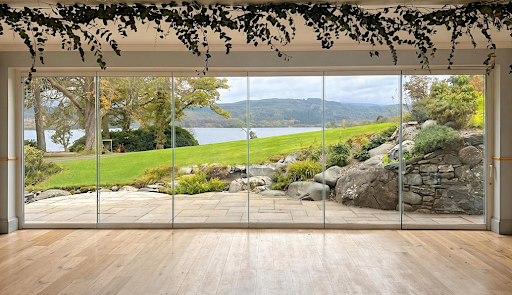
On balconies, pools, staircases, and decks, a clean and modern safety barrier is what a frameless glass balustrade Brisbane installation gives, and the visual clutter which metal frames or posts usually bring is avoided this way. In this style, toughened glass panels are the ones used, and either base channels or standoff fittings hold them in place, so an open and uninterrupted view is what homes and commercial spaces get, while safety standards are still met at the same time. Across many Brisbane properties, quite popular this option has become, mainly because the region’s outdoor lifestyle and warm climate is what it fits well with. This way, natural light and scenery stay as the main focus, rather than attention being taken away by the barrier itself.
What Makes Glass Balustrades Different From Framed Options
In traditional balustrades, glass or infill panels are held in place with the help of aluminium or steel frames. But that structure, in frameless designs, is removed completely. Instead, glass that is toughened or laminated, and thick enough to stand alone, is what gets used. Because of this, a minimalist look is the result, and this suits contemporary architecture, coastal homes, and even older renovated properties quite well.
Some differences worth mentioning here:
- Posts or rails do not obstruct the views anymore
- Since fewer surfaces and corners are there, cleaning becomes easier
- A sleeker profile is what gets achieved, suiting modern facades
- Compared to framed systems, more precision during installation is required
Why Climate and Location Matter for Glass Balustrades
Subtropical is Brisbane’s climate, and with humidity, coastal closeness, and strong UV exposure combined together, balustrade materials get affected in different ways depending on what they are made from. Rusting, warping, or corroding, glass does not go through this, unlike some metals do, so this makes it practical especially near water or in salt air exposed areas. For the fittings used in these systems, marine grade stainless steel is usually the choice, so even in humid or coastal conditions, corrosion resistance stays strong.
How Are Frameless Glass Panels Held in Place?
This question, quite often, comes up when people research this type of balustrade. Mainly two fixing methods exist for this:
Base Channel Fixing
Fixed to the floor or a structure’s edge, an aluminium or stainless steel channel is used, and inside it, glass panels sit. With this method, most hardware stays hidden, and at the base, a very clean line gets created.
Standoff or Spigot Fixing
Along the bottom edge at intervals, individual fittings clamp the glass, and for drainage and ventilation purposes, small gaps get left. On pool areas and balconies, this method is quite common, especially where proper management of water runoff is needed.
In both these methods, structural and safety standards need to be followed, particularly the ones around wind loading, glass thickness, and barrier height. Depending on whether a pool fence, a balcony, or a staircase is what the installation is meant for, these requirements keep changing.
Is Frameless Glass Balustrade Safe for Pools and Balconies?
For many homeowners who consider this option, safety is often the biggest worry. Significant impact can be withstood by the toughened safety glass used in these systems, and small, blunt pieces get formed if it breaks, rather than sharp shards forming. Especially for pool areas, gap sizes and glass thickness get regulated, so through or over the barrier, young children cannot climb.
Separate structural codes, related to height, wind load, and edge protection, apply to balcony installations, since compared to a standard pool fence, greater force often needs withstanding here.
Maintenance Requirements for Glass Balustrades
Fairly low maintenance is one reason why this style has remained popular over time. Unlike what timber or painted metal usually need, sealing or repainting is not something glass requires. Usually, basic upkeep includes the following:
- To remove salt spray, dust, or water spots, regular washing is needed
- From time to time, tightness of fittings and fixings should be checked
- Near edges, chips or cracks should be looked for, and by a professional, assessment should be done
Since balusters or infill panels, small components like these, are not present here, much less time cleaning generally takes, compared to framed alternatives.
Does Frameless Glass Suit Every Property Type?
From high rise apartments having skyline views, to suburban homes with pool decks, a wide range of property styles tend to suit frameless glass balustrades well. Still, site conditions such as wind exposure, height above the ground, and local council requirements, these can influence what fixing type or panel thickness gets needed. For properties that are coastal or elevated, extra structural support or thicker glass may be required, so that engineering standards are properly met.
Final Thoughts
When a frameless glass balustrade Brisbane solution is being chosen, safety compliance and climate suitability need to be balanced along with aesthetics. An open and modern appearance is what gets offered here, while for pools, balconies, and staircases, structural requirements still get met. Before the installation begins, how panels get fixed, what safety standards apply, and how much maintenance gets involved, understanding these can help property owners make a decision that is more informed.